THE DRAGON: MARCUS’ RA21 CELICA GT!
Words: Miles Schaffer | Photos: Charles
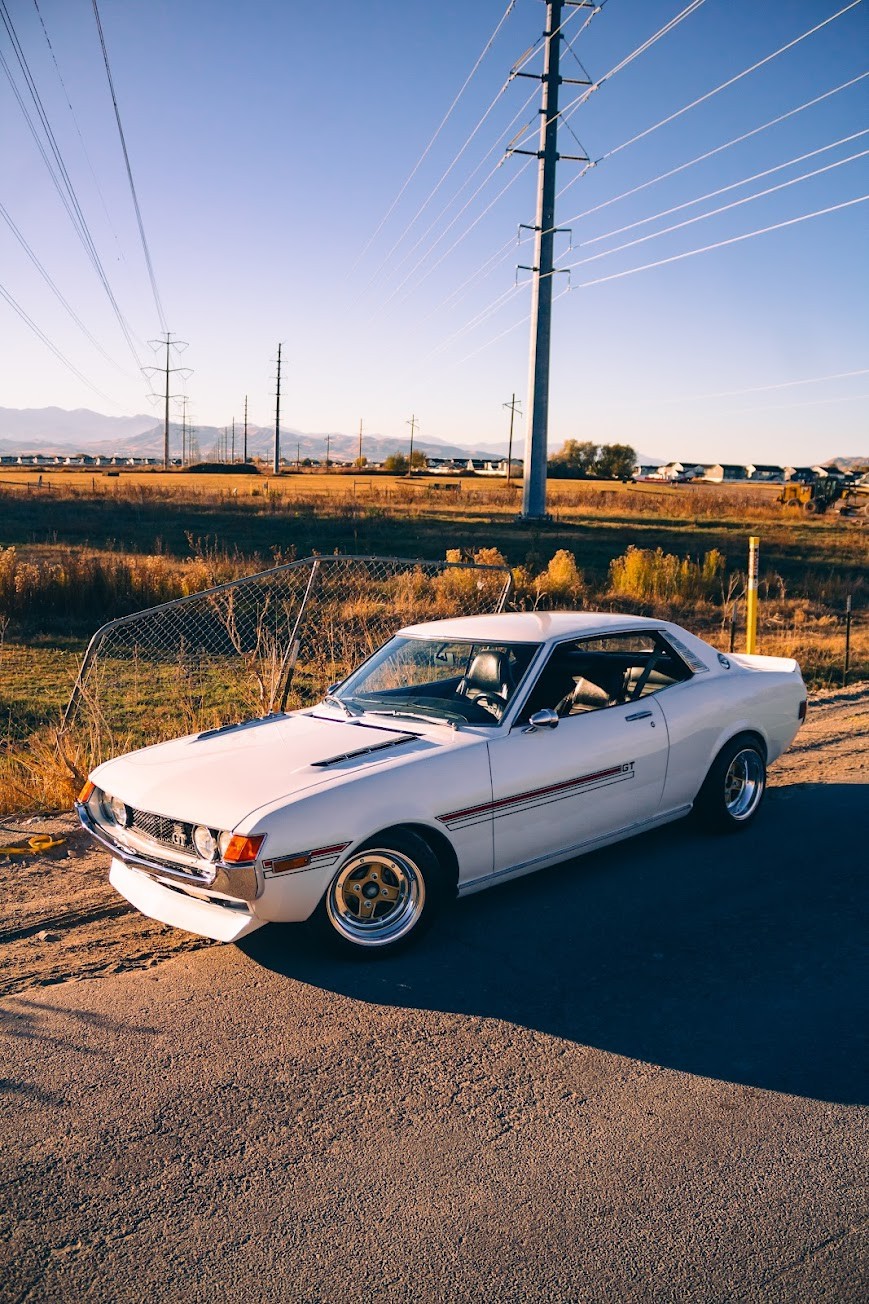
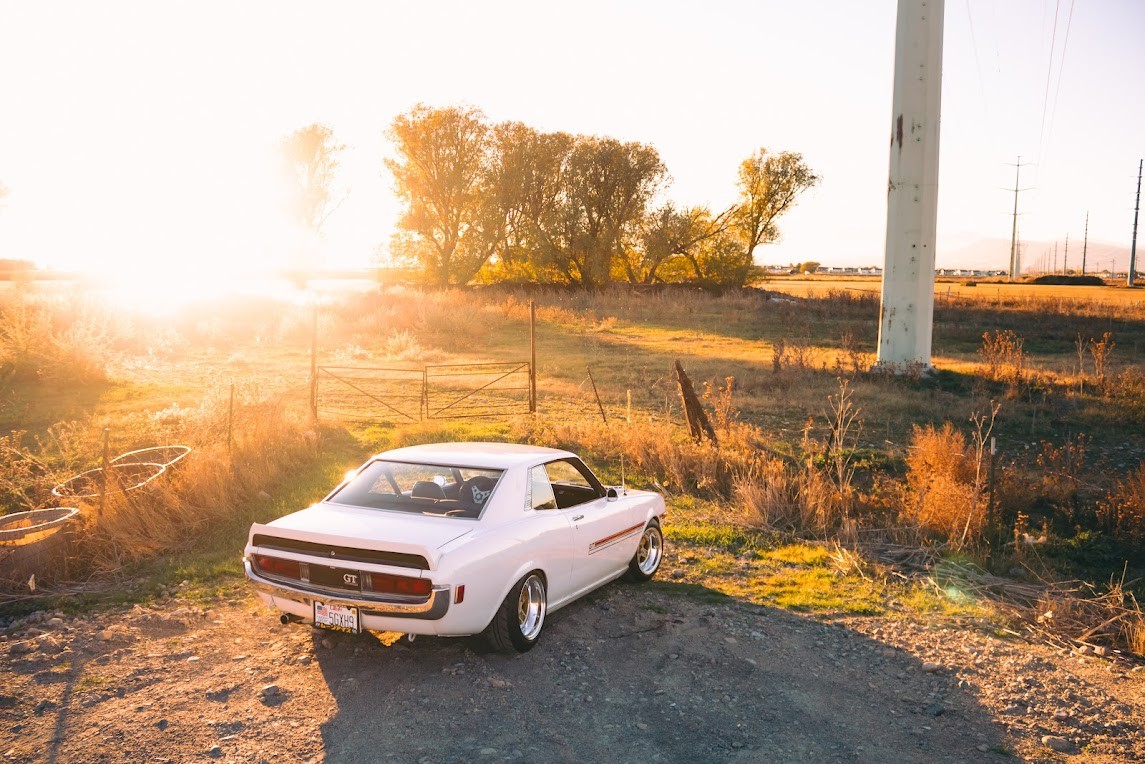
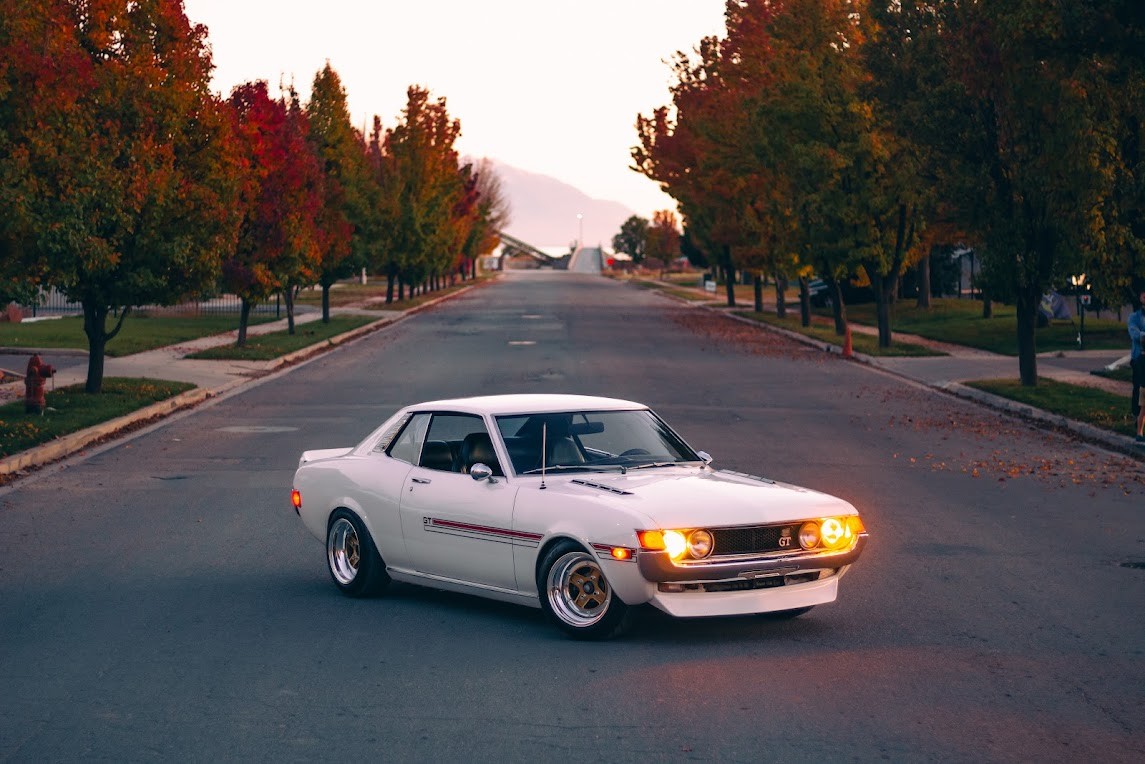
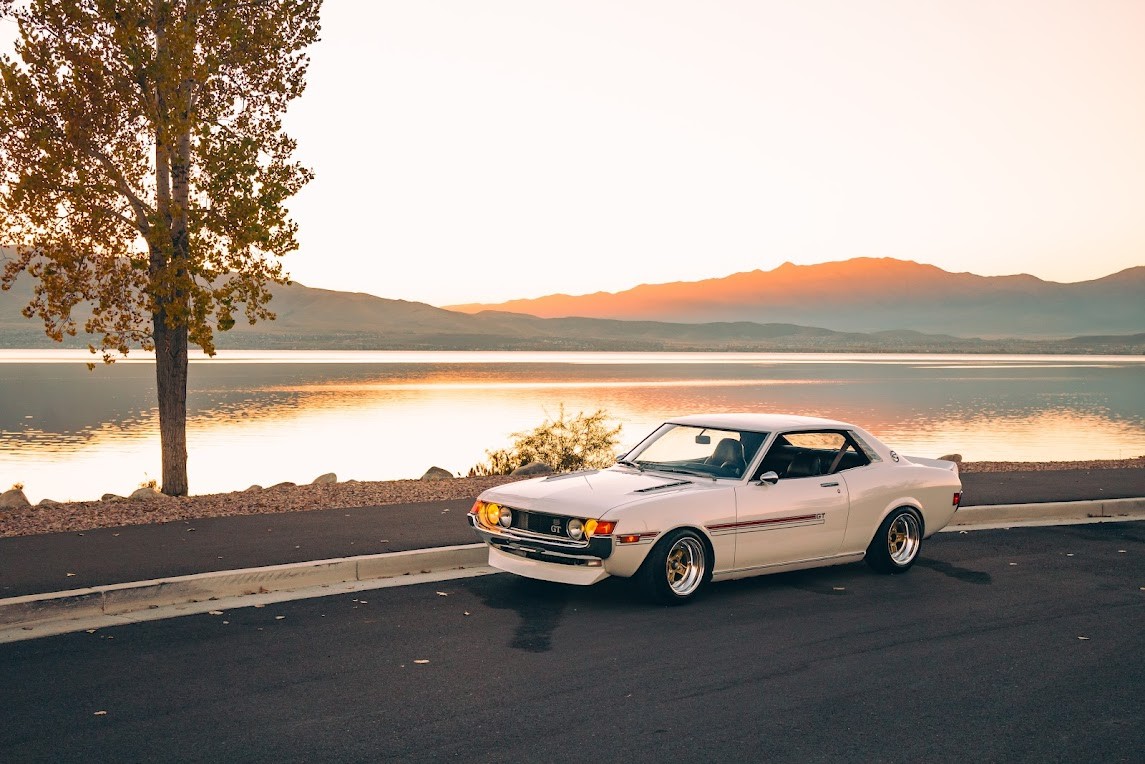
There’s something magical about seeing a classic Toyota treated with reverence and irreverence—kept true to its origins while bending the rules in all the right ways. That’s exactly what Marcus Matthews has done with his RA21 Celica GT, a car that looks like it rolled out of a late-'70s street scene and into a modern-day dream garage.
Marcus has owned a lot of cars. A lot. The last time I asked, the number was north of 150—though by the time you read this, it’s probably gone up again. His automotive history is a kaleidoscope of makes, models, trims, and side quests. But out of that chaos, this Celica stands out.
A REAL GT, BUILT BETTER THAN STOCK
This isn’t an ST masquerading as something more. Marcus’ Celica is a true ’74 GT, which means the better trim, better details, and better bones from the start. But nearly everything important has been touched, refined, or outright replaced.
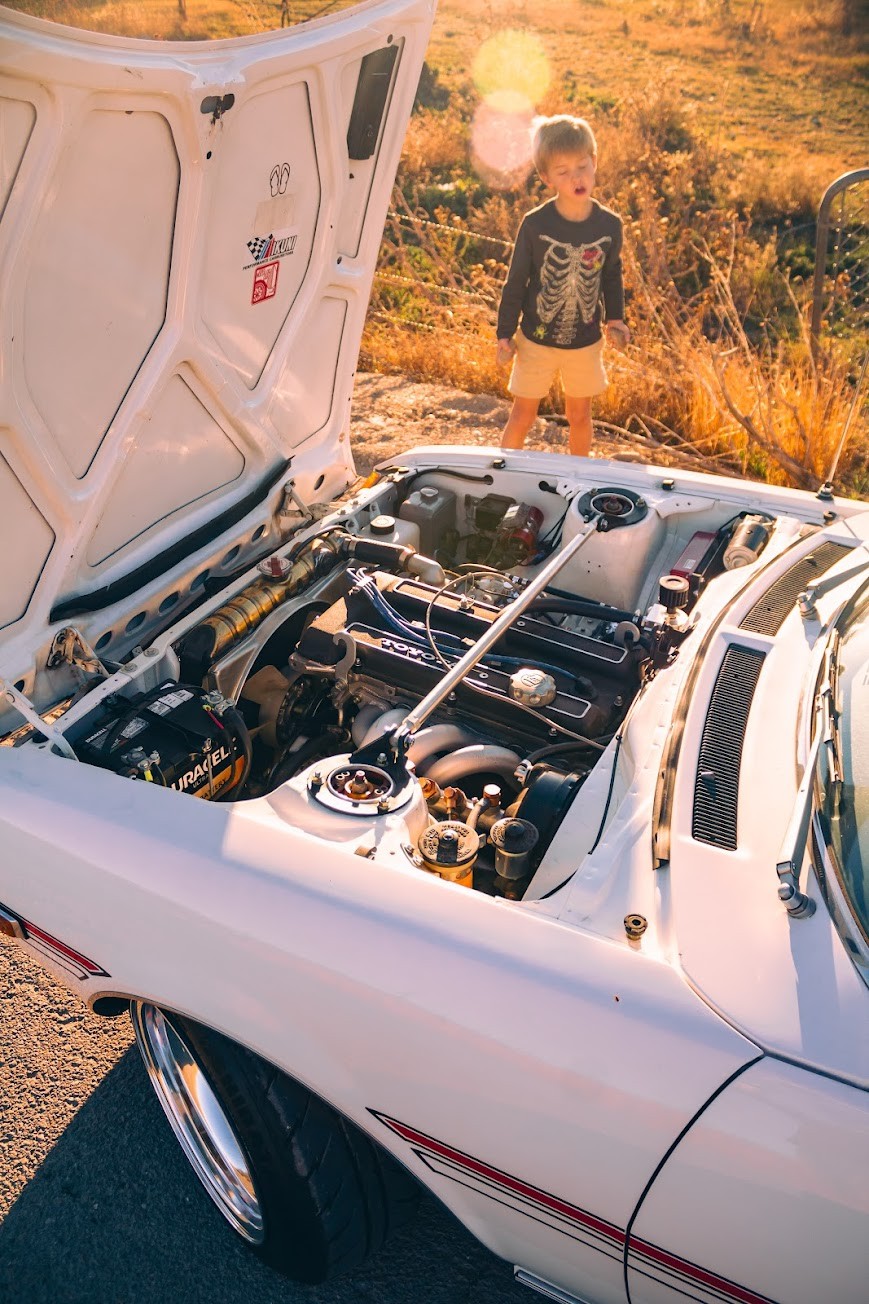
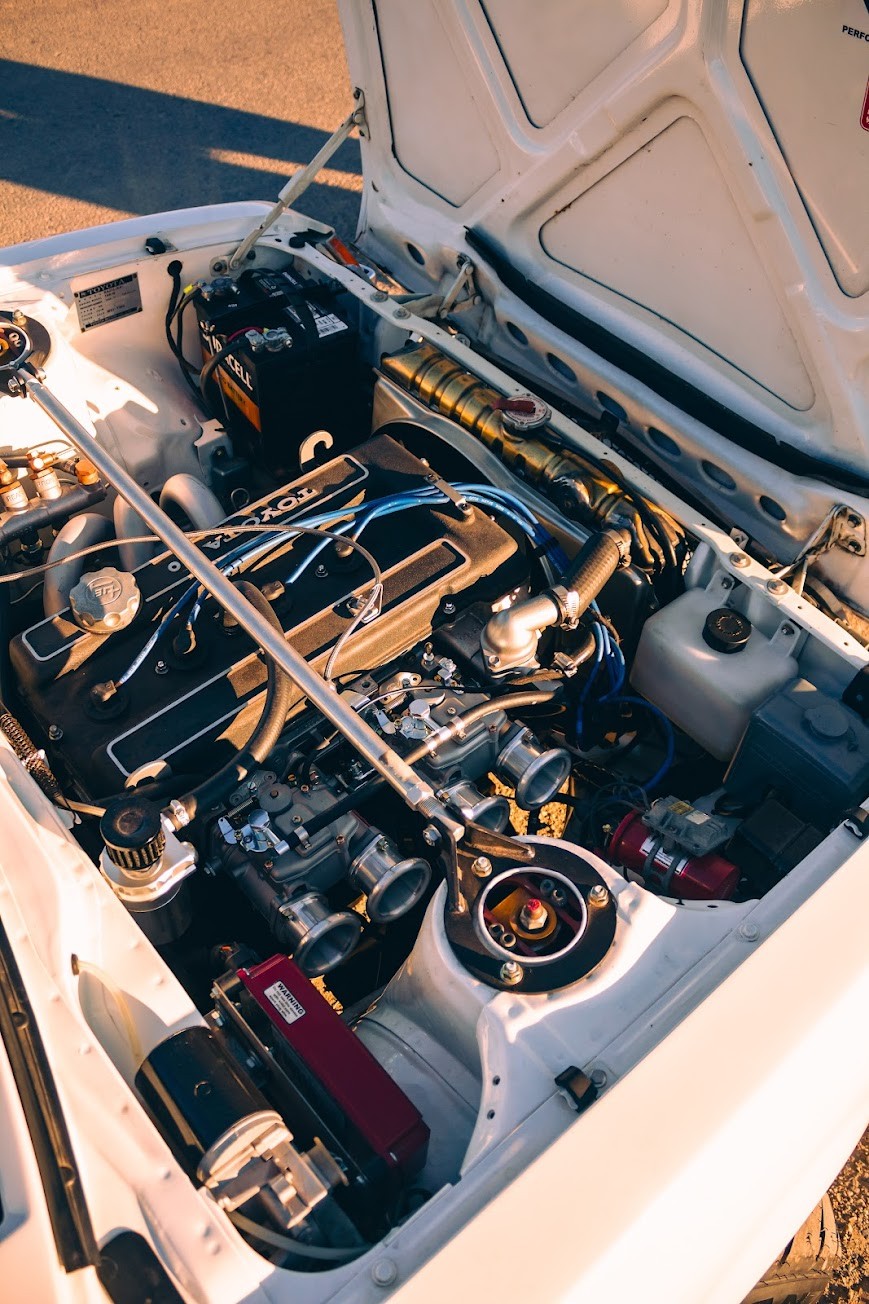
The original 18R-C is long gone. In its place: an 18R-G, Toyota’s legendary 2.0L DOHC twin-cam, pulled from a later Celica and fitted as if it always belonged there. It breathes through a pair of Mikuni side-draft carburetors, giving the Dragon the kind of throttle response and soundtrack that reminds you why carbureted engines never die in the hearts of enthusiasts.
EARLY MODEL ATTITUDE
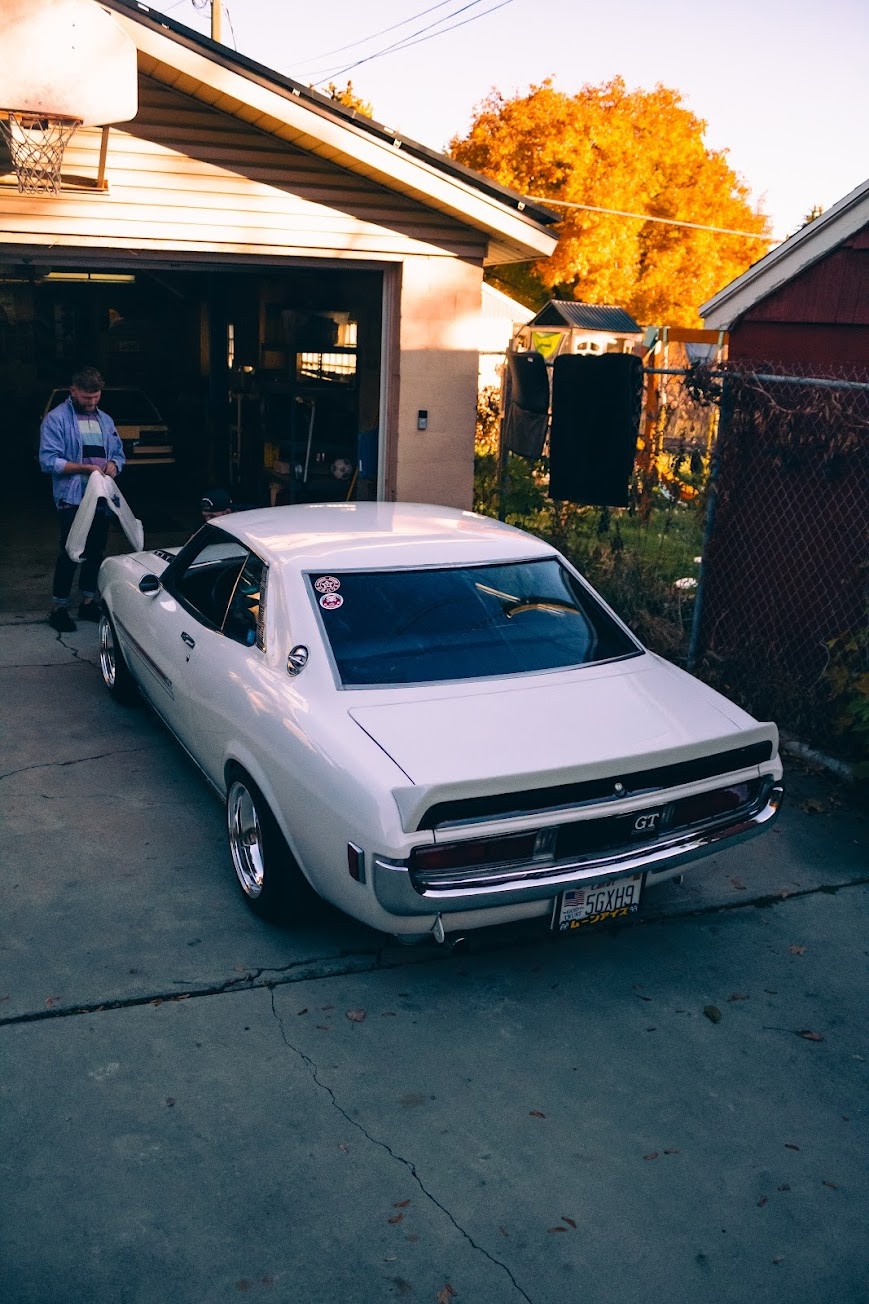
At the rear you’ll notice one of the car’s most distinctive quirks: early-model 1972 taillights and the hinged rear trim piece. Combine that with JDM bumpers and the rare TRD wing, and the Celica wears its heritage proudly—subtle enough that only the initiated truly get it.
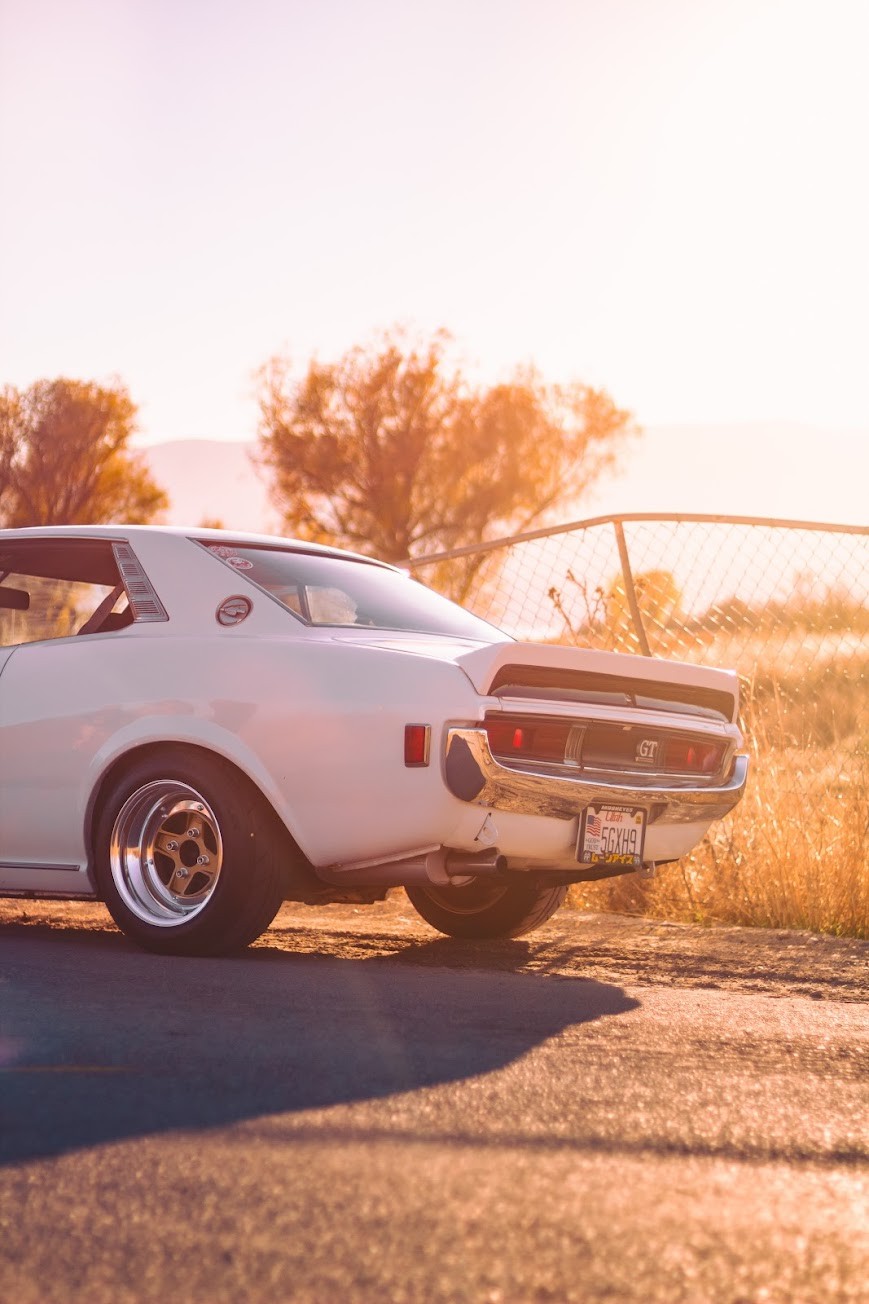
Even the small stuff adds to the mystique. There’s a part-number list taped inside the rear hatch, a wonderfully practical, very Marcus touch. And mounted on the dash rides a Daruma doll, a quiet passenger encouraging the car—and maybe its owner—to keep chasing goals.
STANCE BY NUMBERS
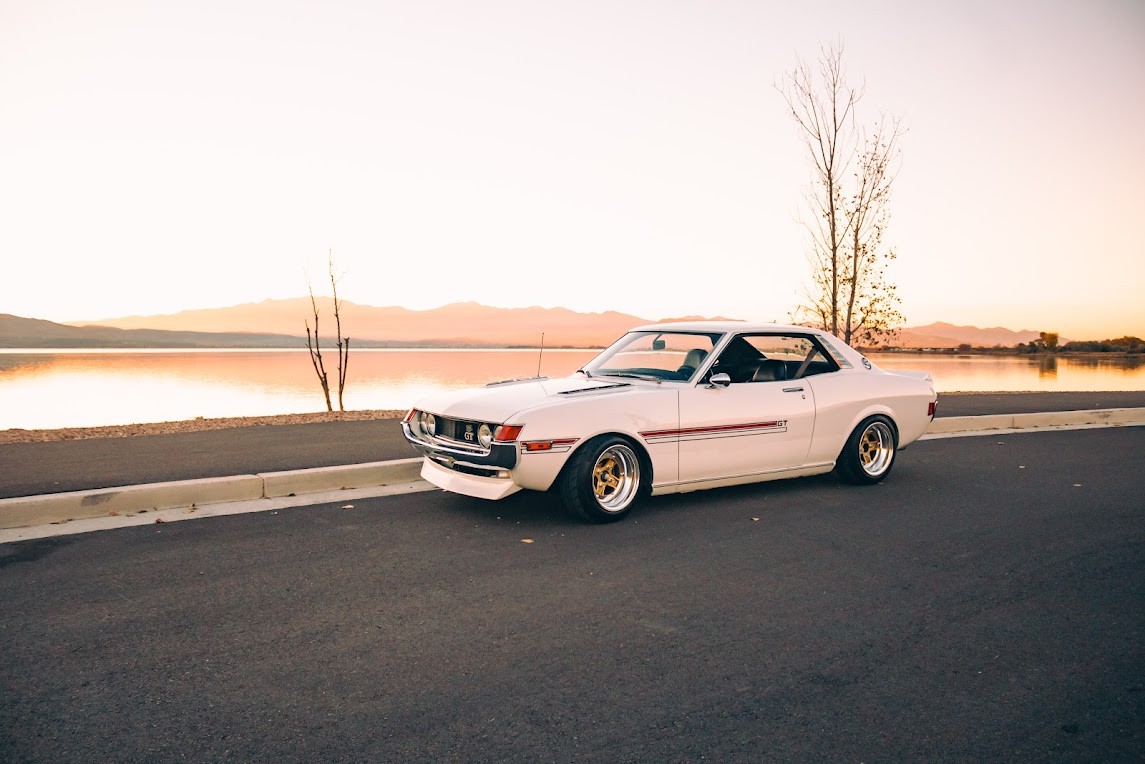
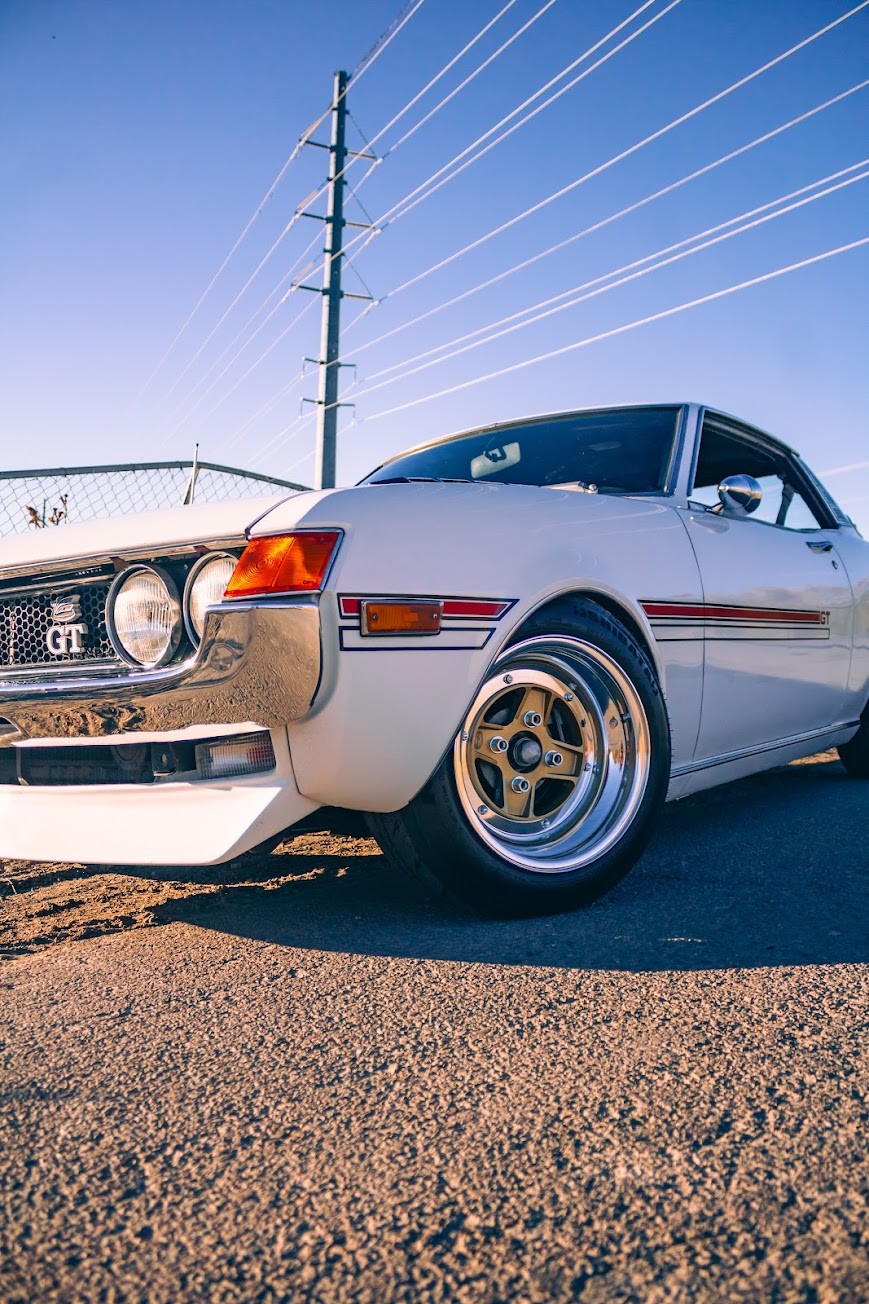
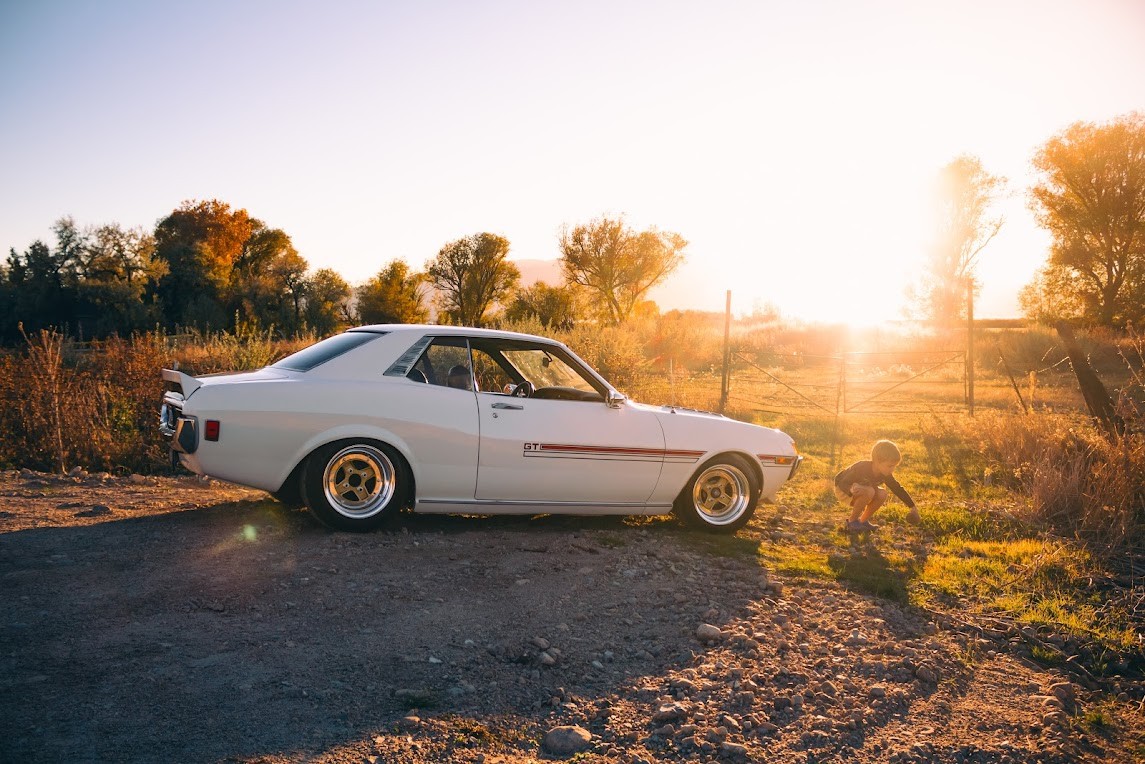
Toyota never intended the RA21 to sit quite like this, but maybe they should have. The Dragon rolls on a square-ish staggered setup:
14×8.5 -6 up front
14×8 -13 in the rear
185/60R14 all around
The wheels fill the arches in a way that feels era-correct, almost nostalgic, yet unmistakably purposeful. Up front, a set of AE86 brakes brings the stopping power up to the pace the rest of the car encourages.
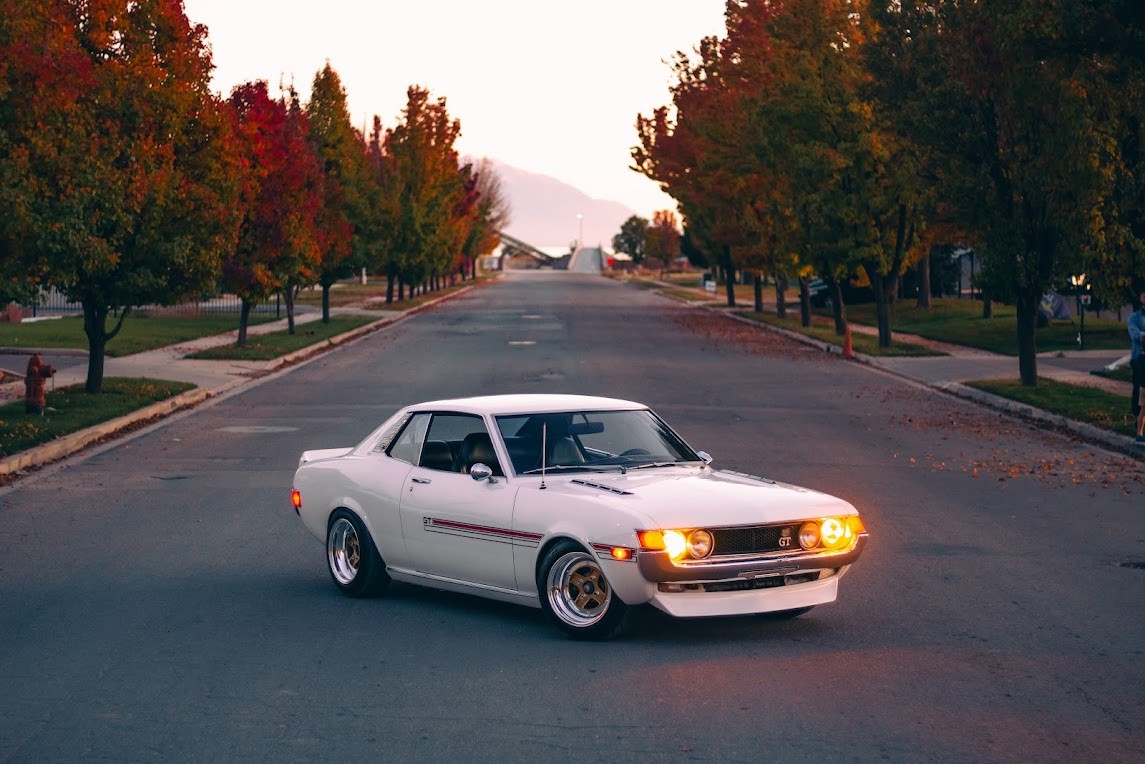
CELICA, RIGHT DOWN TO THE DETAILS
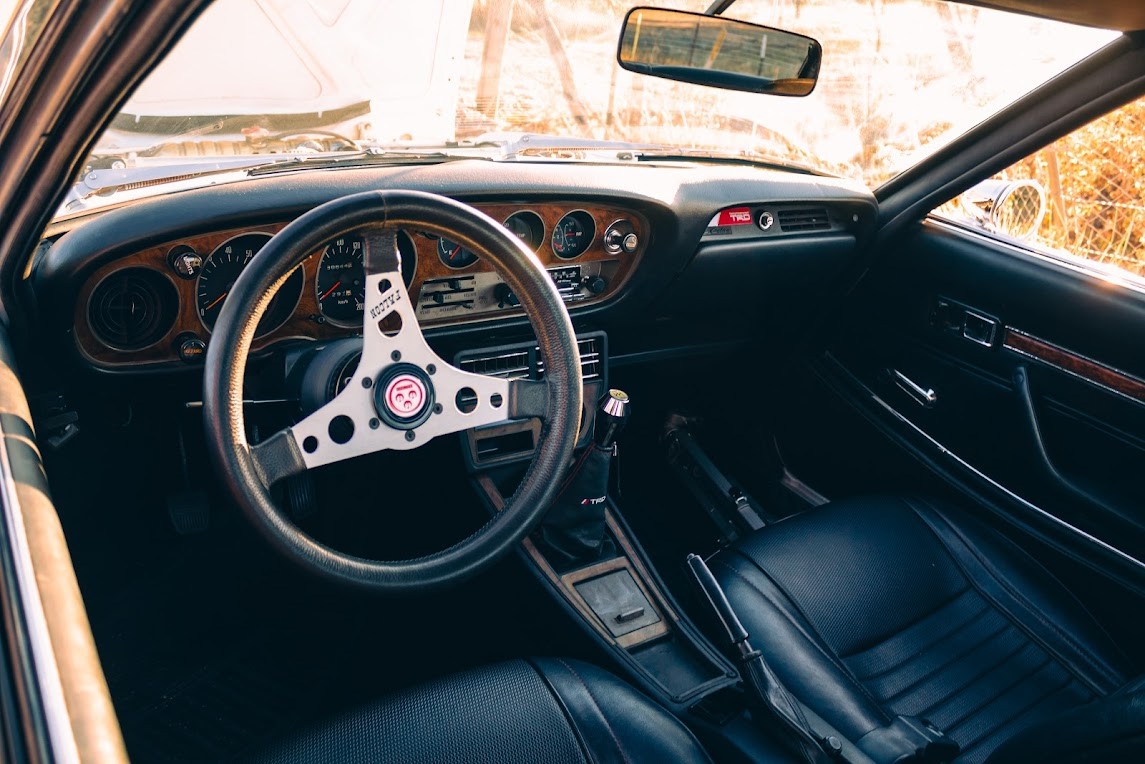
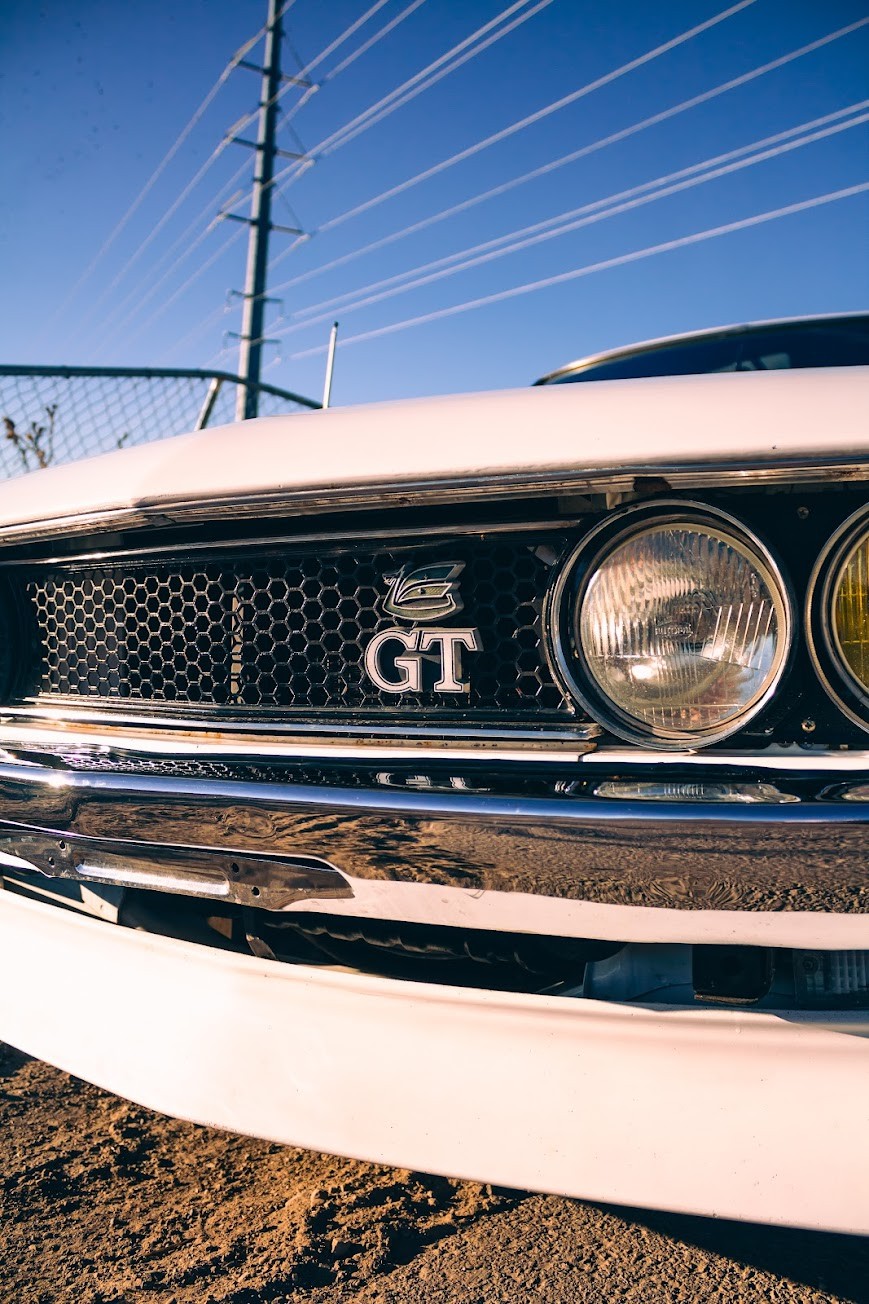
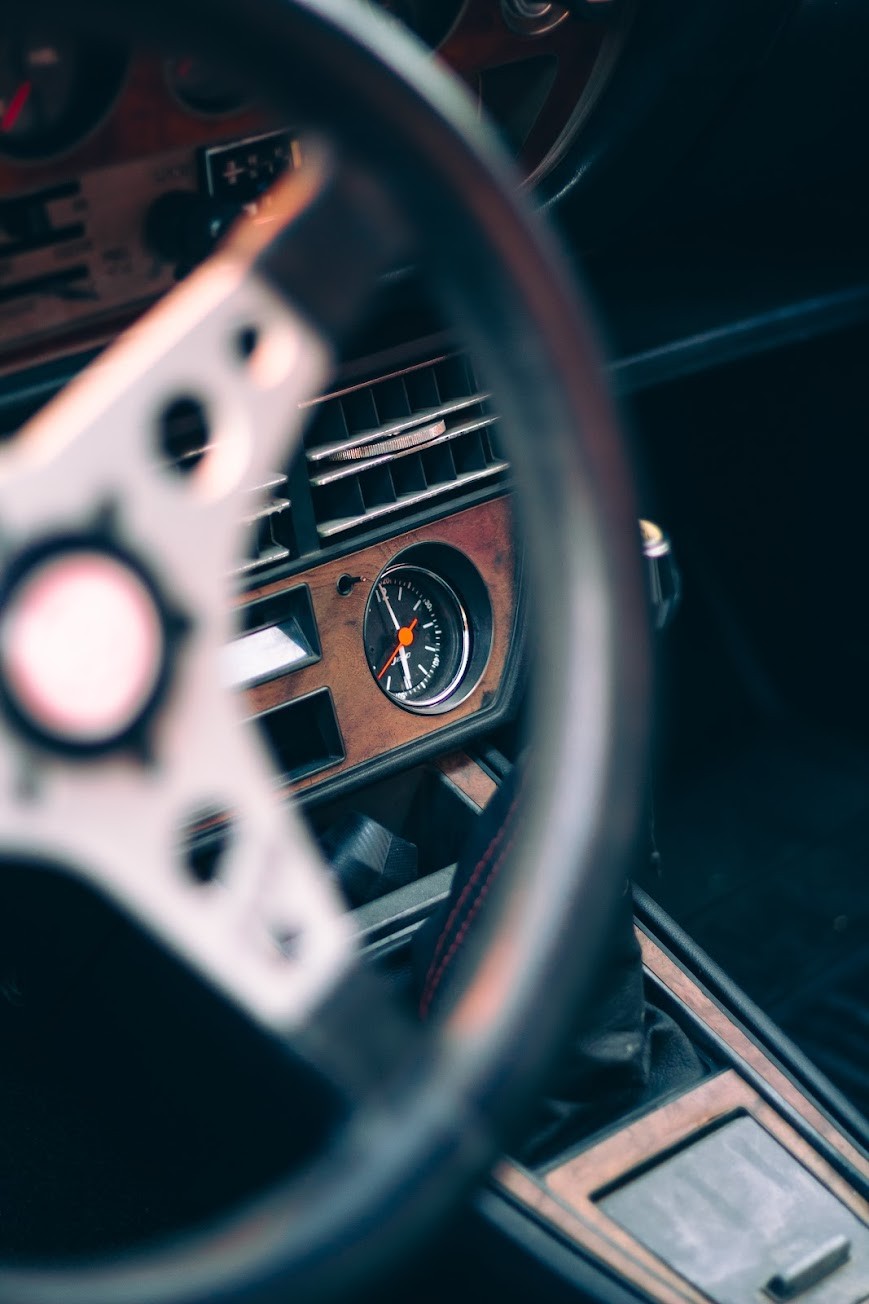
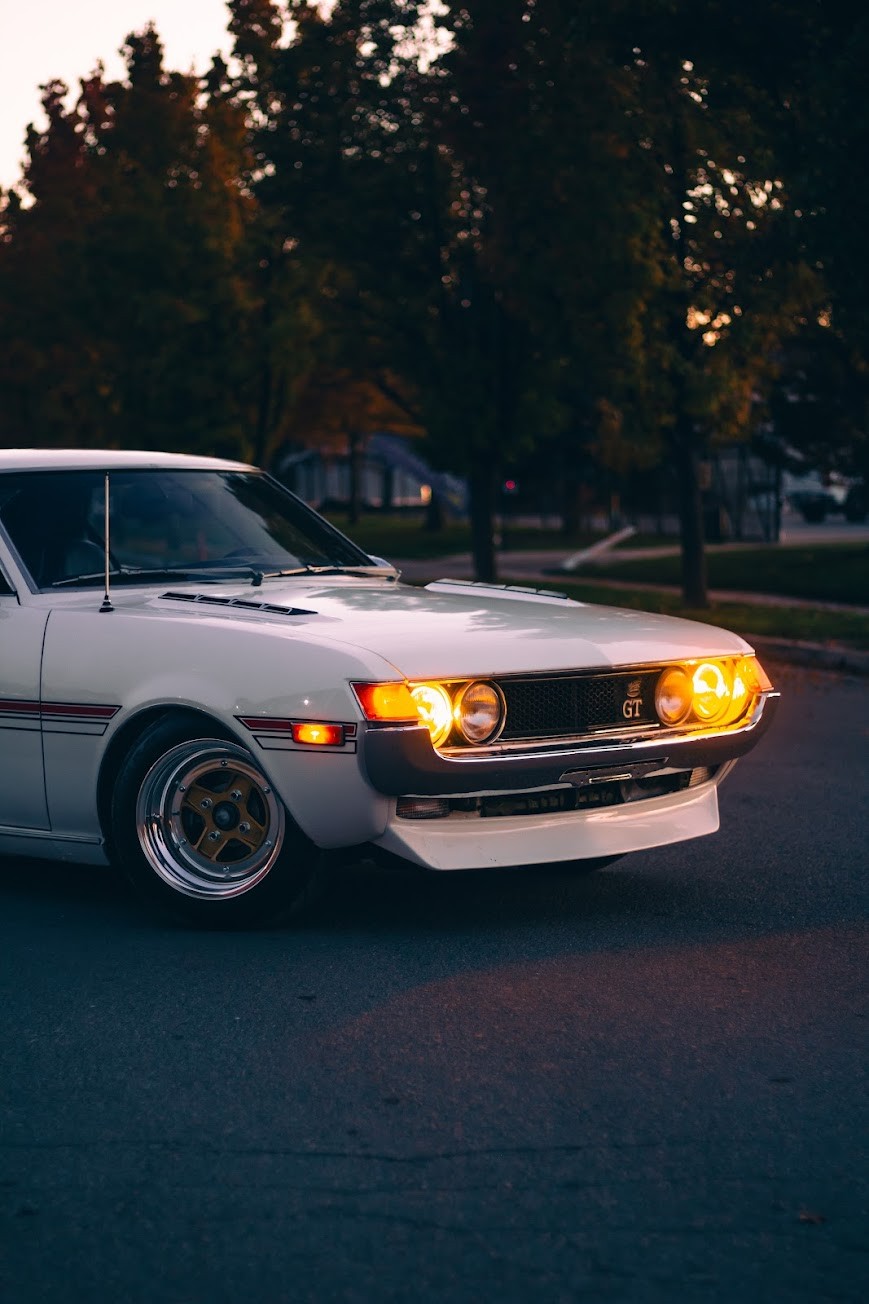
Inside, the seats still proudly display the CELICA embossing, a detail that’s quietly disappearing from survivor cars as upholstery shops take liberties. Outside, the nose wears a Celica–Celestial dragon badge, the source of the car’s nickname and a fitting emblem for something with this much personality.
Down low, a Wizard front spoiler gives the Celica a sharpened chin, tying the whole aesthetic together—classic shakotan attitude with a modern photographer’s eye.
MARCUS’ WORLD
When Marcus talks about the car, it’s with the same tone he uses when recalling the countless machines that came before it—BMW, Nissan, Honda, oddballs, imports, domestic sleepers. But unlike most of those 150-something cars, this Celica stuck.
It stuck because it feels right. Because it sounds right. Because every time he opens the garage door, the Dragon feels less like a project and more like a companion from another era.
And maybe that’s why this one isn’t going anywhere.
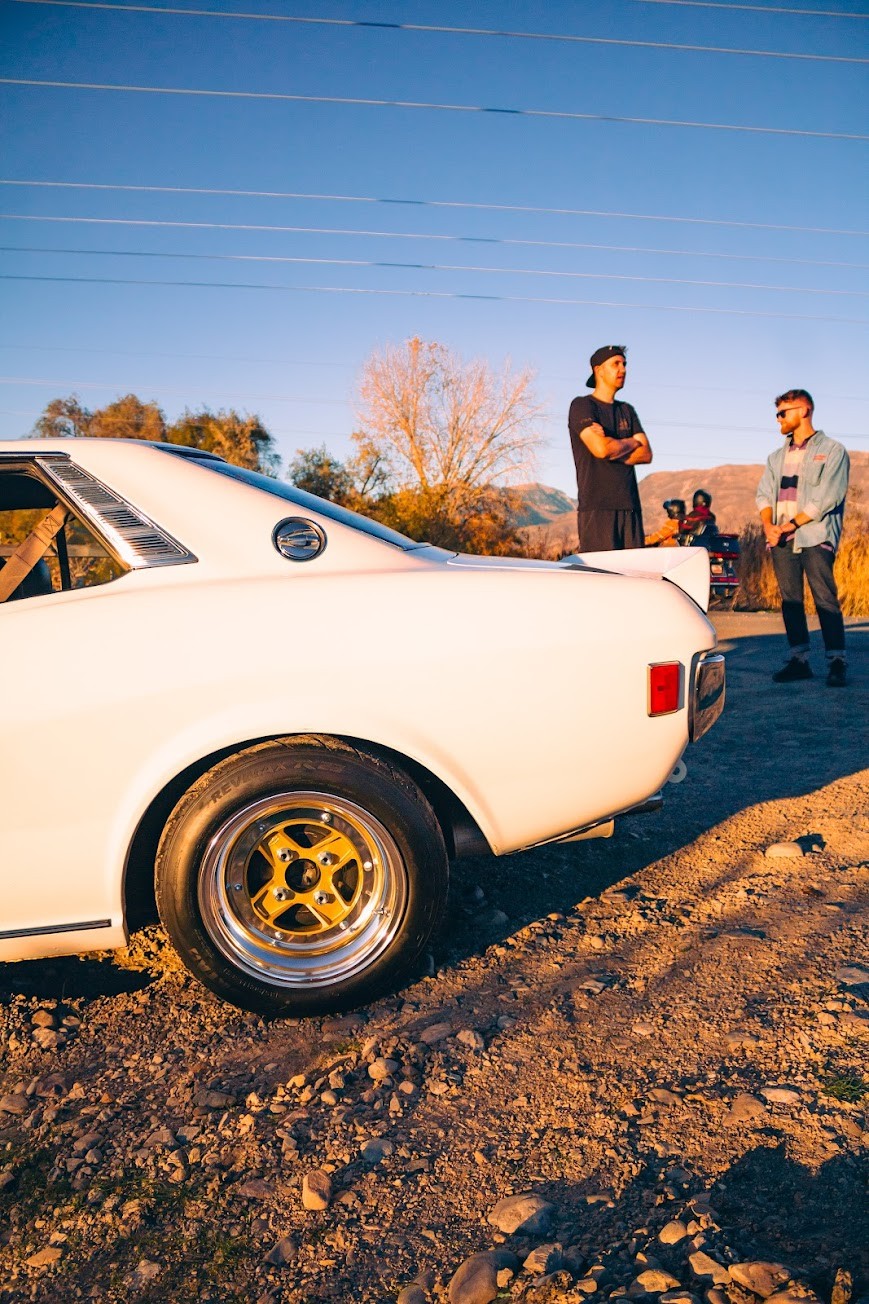
Oh, and when prompted, Marcus' son says the Celica is his favorite car in the garage. And that's pretty important.